Stripping and crimping are indispensable process steps in the production or finishing of cables. Many companies start with simple hand pliers: practical, inexpensive and flexible. But what is the difference between working with hand pliers and using an automated device from GLW?
Working manually with pliers
With manual pliers, an operator can strip and crimp cables using pure manual force. This is often sufficient for small quantities, prototypes or repairs. However, there are disadvantages to this method. The quality is highly dependent on the skill of the operator: stripping too deeply can damage the core, while crimping too lightly can lead to poor connections. In addition, the process is time-consuming and physically demanding, and there is little guarantee of consistent quality.
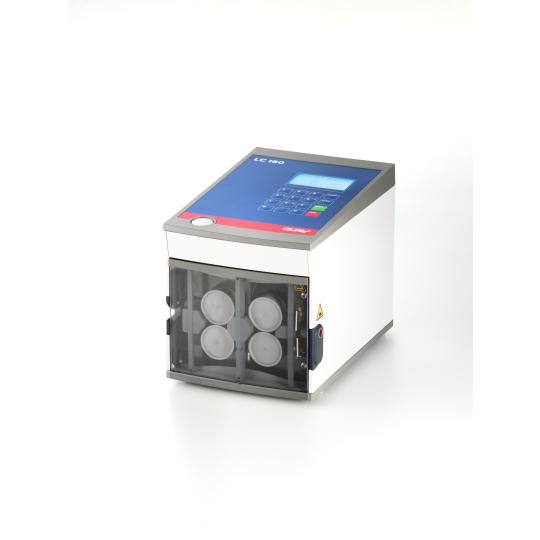
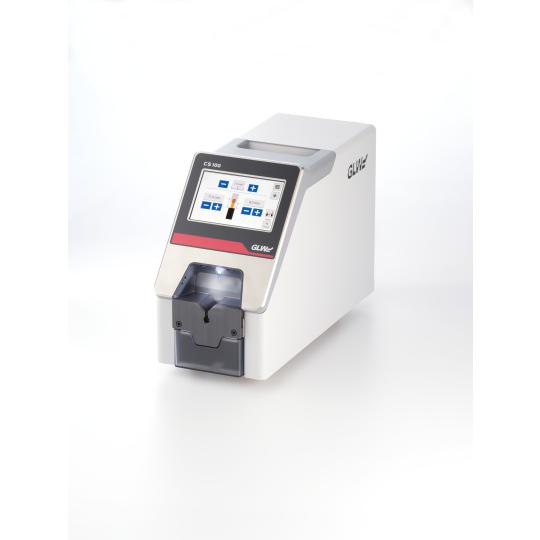
Automated working with a GLW device
A GLW machine takes the process to a higher level. With high speed and precision, the device performs the same operations over and over again: cutting cables to length, stripping and crimping – possibly even in a single integrated cycle. This not only ensures consistent quality, but also saves a considerable amount of time.
In addition, physical actions for the operator are kept to a minimum and there is much less chance of errors or product failure. An additional advantage is that many devices offer process control and traceability, allowing you to demonstrate exactly that every connection has been made according to the correct parameters – a must in sectors such as automotive or medical technology.
The added value in production
Whereas hand tools are particularly useful for small-scale applications, GLW devices are designed for companies that want to process cables efficiently, reliably and on an industrial scale. The higher initial investment quickly pays for itself through lower labour costs, fewer failure costs and higher output.