Why prototyping soldering is essential
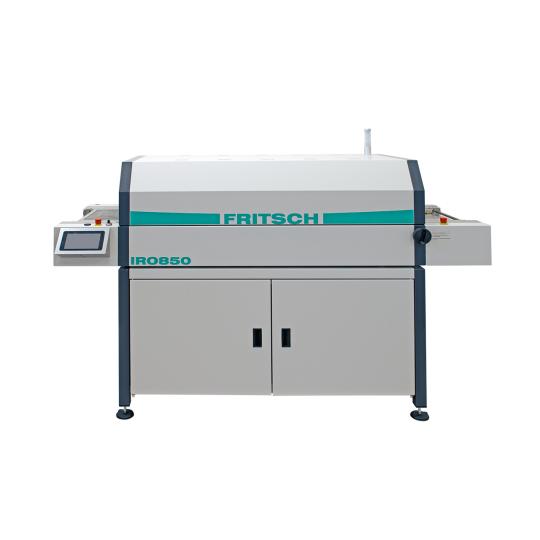
When developing a new electronic product, the soldering process directly affects the reliability of your prototype. By using specialized systems for reflow or vapor phase soldering, you can achieve optimal solder joints, even with complex components or high-density PCBs. This maximizes the chance that your prototype will meet the design goal and that future production runs will be predictable.
Kits for small series and rapid validation
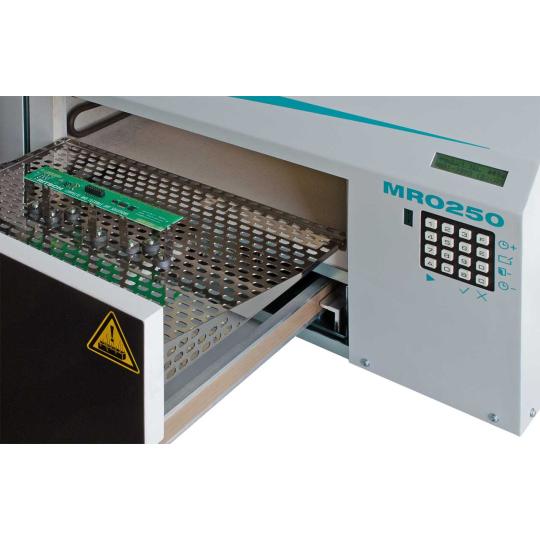
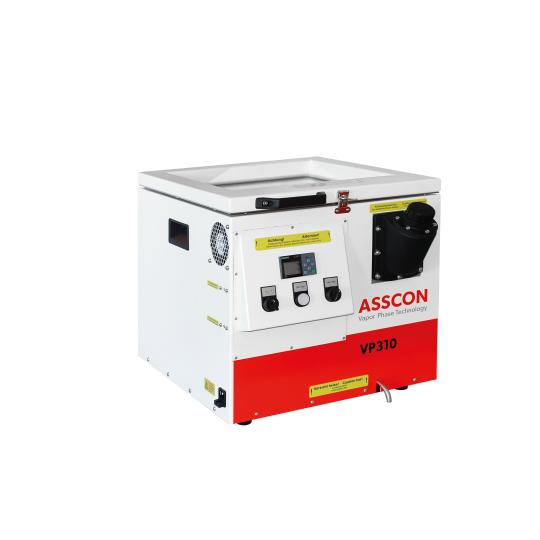
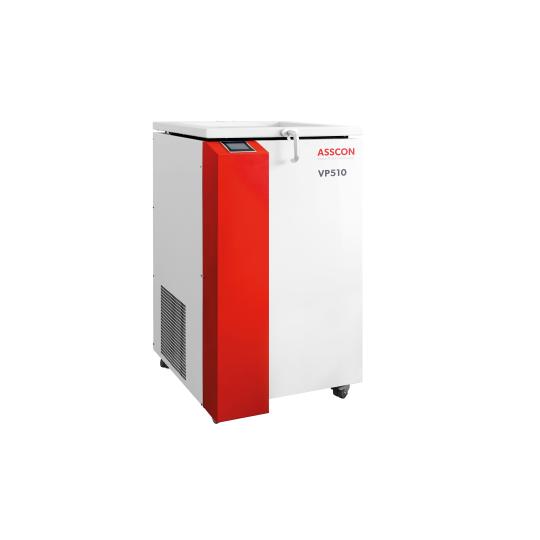
During prototyping, flexibility is key: you want to be able to quickly change the design, component selection, or configuration without heavy investments in production equipment. Equipment such as a compact reflow oven or a vapor phase soldering machine helps you deliver functional prototypes with minimal setup time. This allows you to validate, iterate, and ultimately move to production faster.
From prototype to production-ready insight
With the right soldering setup during the prototyping stage, you can gain valuable insights: which soldering profile works, which solder has the right quality, which component combination poses challenges? By testing this early on, you can prevent common defects in later production phases — such as cold solder joints, solder bridges, or poor component retention.