What exactly is rework?
Rework is the precise repair, replacement, or correction of individual SMD and BGA components on a printed circuit board. You remove the defective or incorrectly placed component, clean the solder area, and then precisely reinstall a new component. The goal: to restore a printed circuit board to the same quality standard as the original series production, without having to write off the entire board.
The benefits of rework for your production
Rework offers a smart balance between quality, cost control, and sustainability. You retain the value of a nearly finished printed circuit board and prevent a small mistake from resulting in complete material loss. This approach also contributes to less electronic waste, because you repair rather than replace. What’s more, you can respond quickly to design changes, component updates, or necessary corrections—without having to halt production.
Why choose Ersa rework systems?
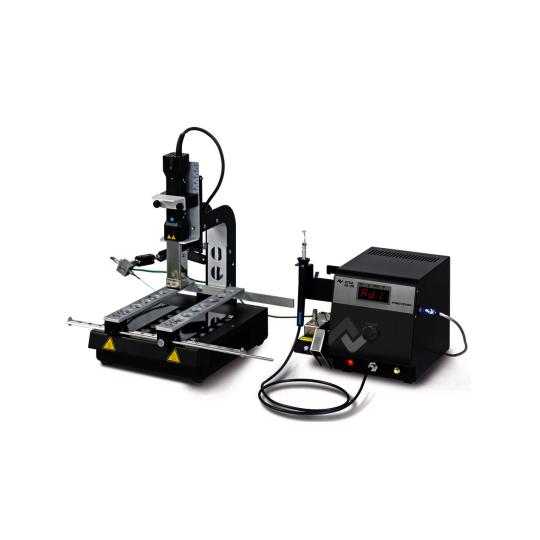
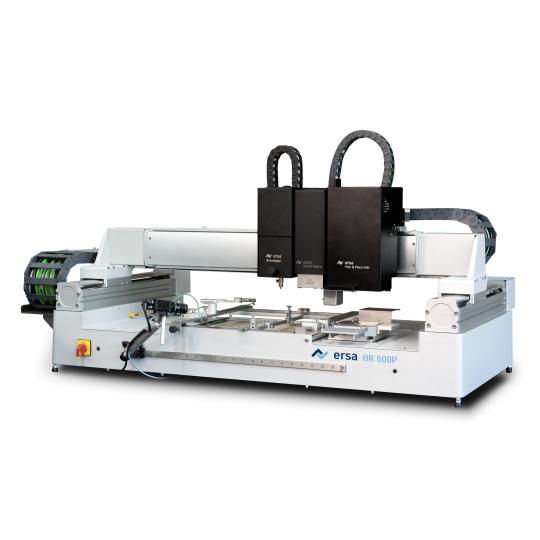
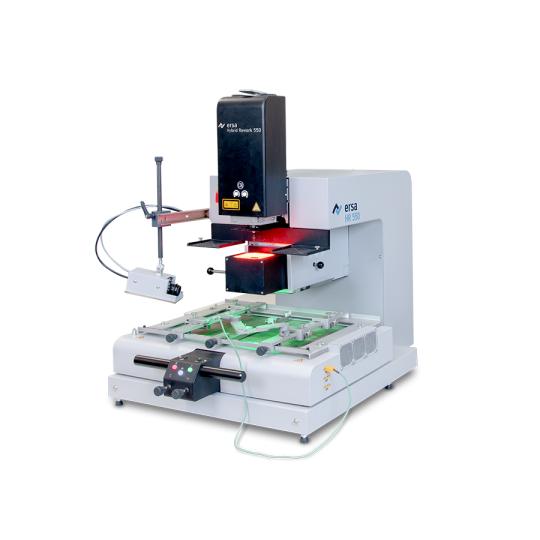
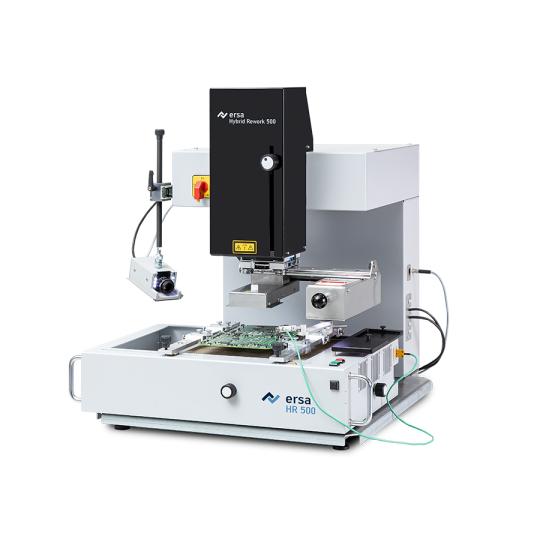
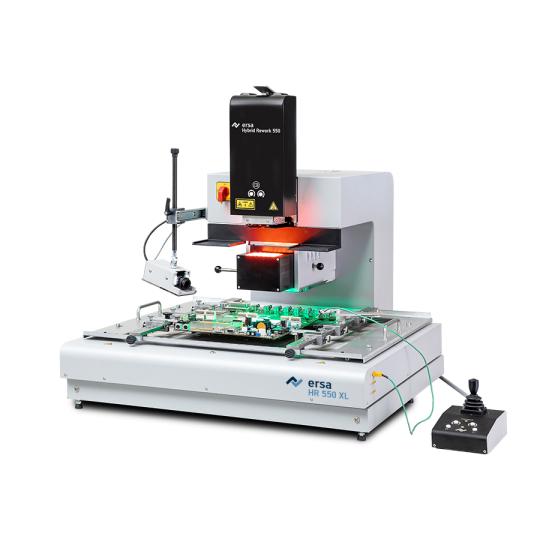
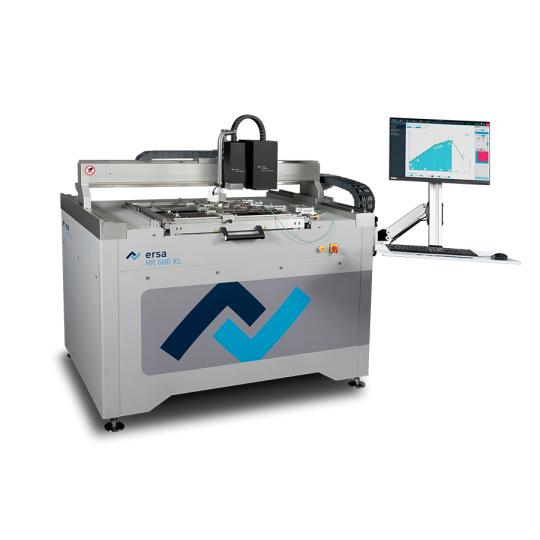
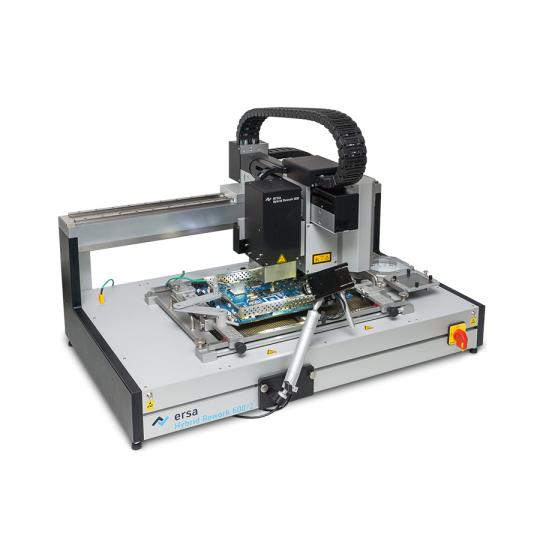
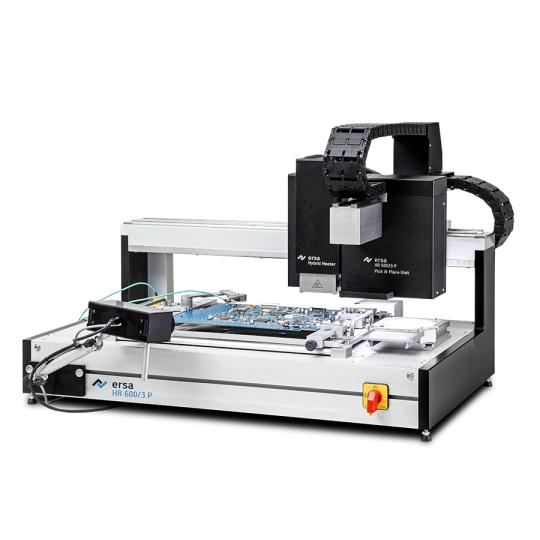
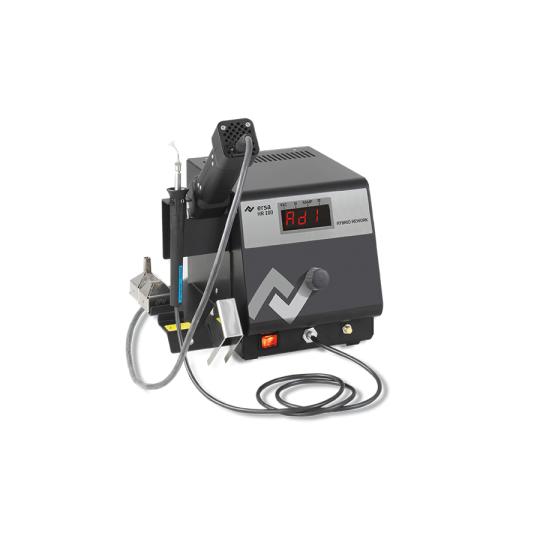
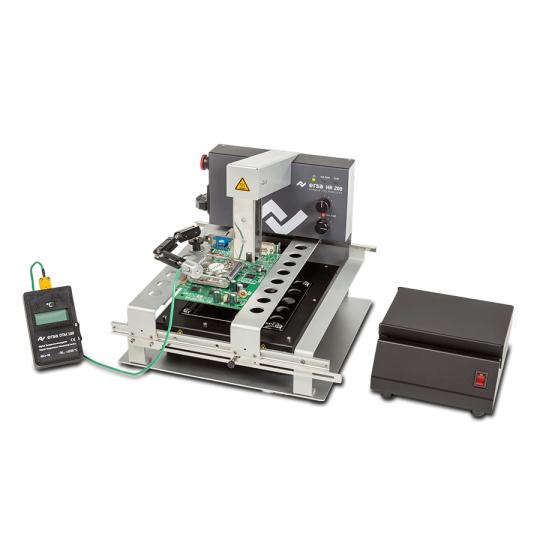
Ersa’s systems stand out thanks to their hybrid heating concept, a combination of medium-wave infrared and convection heat. This ensures that components and printed circuit boards are heated evenly and in a controlled manner, minimizing the risk of thermal damage. The systems operate with sensor-controlled processes and use “first-shot profiling”: an approach that allows you to achieve immediately reproducible results without endless fine-tuning.
In addition, the systems support the entire rework process: from removal and cleaning to flux application, precision placement, soldering, and process documentation. The range extends from compact systems to XL solutions for large assemblies, so you always have a platform that meets your production needs.
What does this mean for your workflow?
With a rework system from Ersa, you can build a production process that is agile, reliable, and sustainable. You work according to controlled, reproducible steps, reducing errors and increasing the quality of your end product. At the same time, you gain the freedom to respond more quickly to design changes and technical challenges. The result: less waste, more certainty, and a future-proof production environment.